When I look back at my university years, there’s one thing I wish I started doing earlier: reading.
Yes, I might have read a lot of essays and articles assigned by my professors, but it was only when I graduated that I opened a book with the purpose of working on my personal development.
The truth is, good books can teach you a lot more about life than some university lectures will.
Books can help you reflect on your habits, make you feel empowered, and even completely change your mindset.
In an effort to help other young professionals (and remind myself to always be learning), I created a list of books that have changed my mindset and perspective.
The goal is to update this list throughout the years, so I can look back and reflect on the books that made the biggest impact on my 20s.
Keep scrolling to read my thoughts and learnings!
1. Mindset
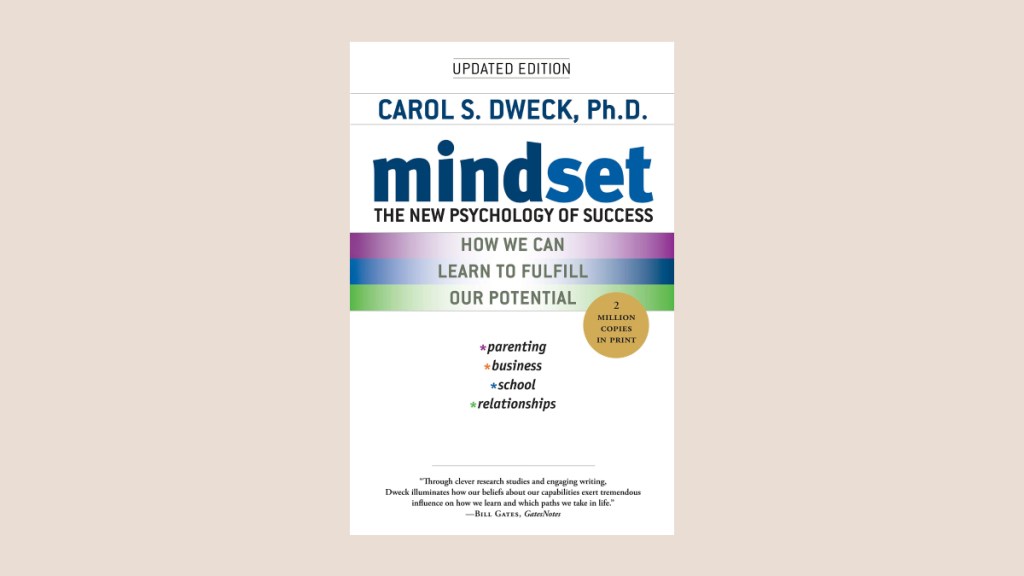
Author: Carol Dweck, American Psychologist and Professor at Stanford University.
🤓 Key takeaways:
Some people think human qualities are carved in stone, but research shows that human qualities such as intellectual skills can be cultivated. A growth mindset is the belief that you can learn any skill or ability through discipline, strategy, and help from the right mentors. Most importantly, it’s the ability to enjoy the process of constantly growing and learning (instead of just caring about the outcome).
The view you adopt for yourself profoundly affects the way you lead your life. A growth mindset helps people see prejudice for what it is — someone else’s view of them.
✅ Real-life applications:
After reading this book, I made a commitment to always be learning and look for ways to improve my craft.
Whenever I receive constructive criticism at work, I take a look at it from a growth mindset, remembering that…
a) the only way to grow and improve is by getting feedback
b) if someone is giving me constructive feedback, they’re doing it because they see potential in me
A growth mindset can also help you in your relationships, because it means that with work, communication, and dedication, anything (including your relationships) can.
Finally, I learned that you shouldn’t reward kids by telling them that they’re “a genius”. According to Carol Dweck, if you constantly tell your kid that they’re a genius, they’ll be afraid to make mistakes or not look like one. Instead, praise kids for their hard work, discipline, and persistence.
2. Atomic Habits
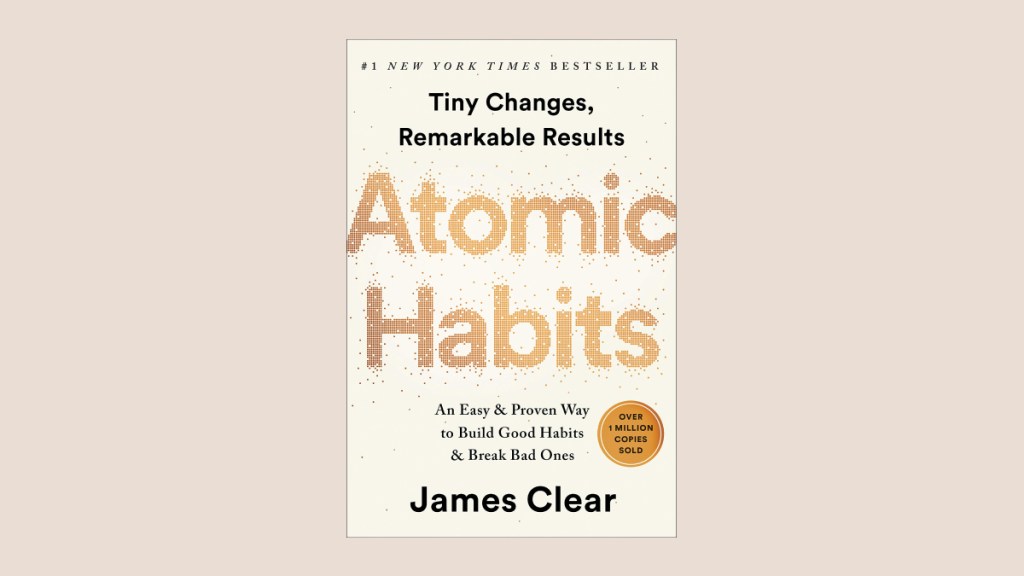
Author: James Clear (who also writes a really good newsletter called 3-2-1 Thursday)
🤓 Key takeaways:
1. Identity-based habits
To change your behaviour for good, you need to start believing new things about yourself. James Clear calls these identity-based habits.
The problem with the way most people set goals is that they’re generated around outcomes. For example, we think “I want to be fit for the summer.” But when it comes to building habits that last, you must focus on who you wish to become.
From “I want a summer body” to “I’ll live a healthy lifestyle and exercise constantly for my mental health, wellbeing and yes… physical shape.”
If you want to make a change in your life, stop worrying about results and start focusing on your identity.
Every action you take is a vote for the person you want to become. As the votes build up, so does the evidence of your new identity.
James Clear
2. The four laws of behaviour change
- Make it obvious
- Make it attractive
- Make it easy
- Make it satisfying
3. Habit-stacking
An implementation intention swips away foggy notions like “I want to work out more” and transforms them into a clear plan of action.
Example: after I brush my teeth, I’ll put my gym clothes on.
4. The role of family and friends in shaping your habits
The culture we live in determines which habits are attractive to us. One of the most effective things you can do to build better habits is to join a culture where your desired behaviour is the normal behaviour.
New habits seem achievable when you see others doing them every day.
Your culture sets your expectations for what is normal. Surround yourself with people who have the habits you want to have yourself. You’ll rise together 🚀
✅ Real-life application:
This book has influenced many aspects of my life – specifically my fitness journey.
See what I did there? I called it a journey, because instead of focusing on goals like “I want to look good”, I changed my mindset to “I want to be a healthy and athletic person”. Two years after reading this book, I’m still exercising 5-6 times a week.
I changed my identity and built a habit.
3. Lean In
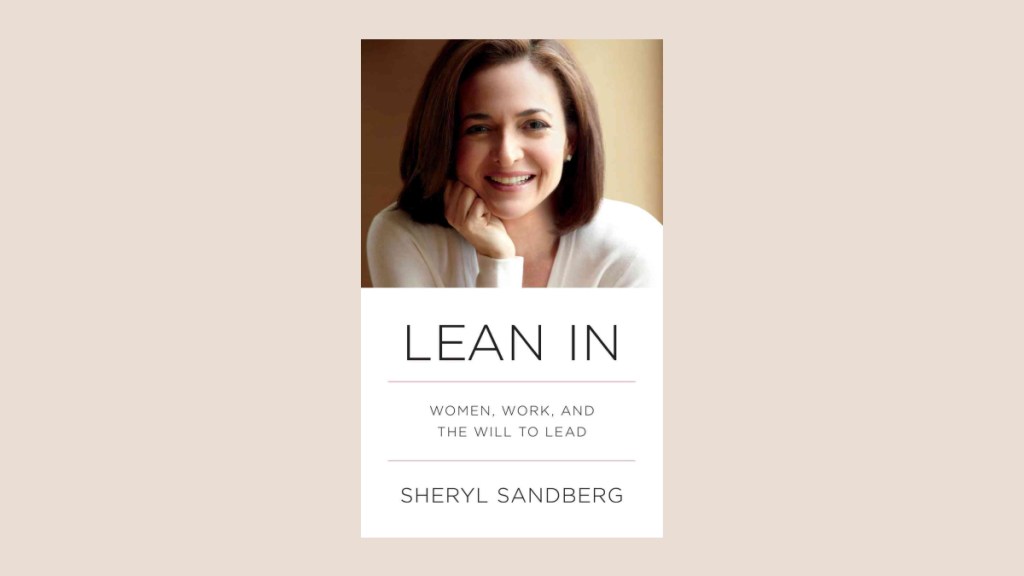
Author: Sheryl Sandberg, Chief Operating Officer at Facebook and founder of LeanIn.Org.
🤓 Key takeaways:
I first read this book when I graduated university and it made a huge impact on the way I approach my career. Here are some of the lessons that stuck with me:
1) Sit at the table: Don’t let self-doubt become a self-fulfilling prophecy that impacts your performance and how your assess and negotiate your financial worth.
”I still face situations that I fear are beyond my capabilities. I still have days when I feel like a fraud. And I still sometimes find myself spoken over and discounted while men sitting next to me are not. But now I know how to take a deep breath and keep my hand up. I have learned to sit at the table.”
Sheryl Sandberg
2) Your career is a jungle gym, not a ladder: In other words, you should be open to different opportunities and fields of work throughout your life.
3) Relationships between mentees and mentors cannot be forced: Like most relationships, finding a mentor takes time and real interest in the other person.
4) Make your partner a real partner: If you hope to have a successful career and a happy family, one of the most important choices you’ll ever make is your partner. Make sure they are supportive of your professional aspirations and that responsibilities (such as cleaning the home or taking care of your children) are shared equally.
5) Don’t leave before you leave: A lot of women tend to ‘let go’ of their jobs or reject promotions once they find out that they’re pregnant. However, Sheryl Sandberg says you should fight for your goals and take on new positions even when you’re about to have a child.
✅ Real-life application:
Ah! Imposter Syndrome. I’m pretty sure everyone has felt this at some point in their career.
Imposter syndrome is the feeling that you don’t have the skills or knowledge to do your job well… or perhaps that you’re too young or not good enough for your dream job.
After spending some time thinking about this, I’ve come up with a list of tips that have helped me overcome imposter syndrome:
- Tracking your wins: Maintain a list of accomplishments and recent projects you’ve worked on. You’ll feel really good every time you look at this list! (My colleague Alexandra Sunderland calls it a “You Got This Document”, while David Hoang calls it a “Hype Doc“).
- Journaling: writing down positive affirmations such as “I am intelligent”… “I am capable”… and “I can accomplish anything I set my mind to” has helped me start my days with a positive mindset!
- Accountability buddies: Ask a coworker or friend to call you out when you’re not giving yourself enough credit for your achievements, or when you apologize for things you shouldn’t be apologizing for. It can be a game-changer.
 Manuela Bárcenas